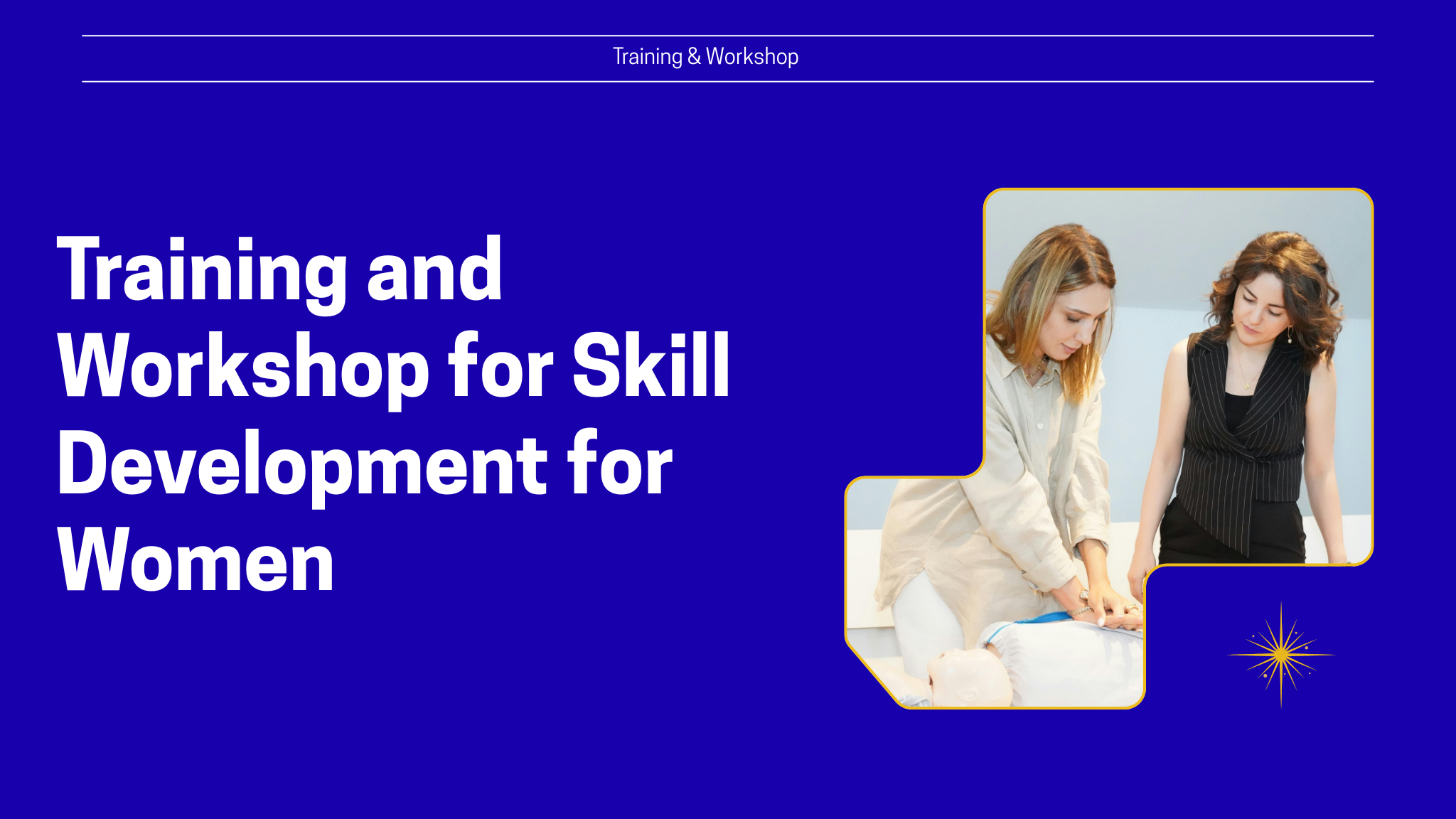
Women empowerment begins with opportunity — and one of the most powerful opportunities we can provide is skill development. When women gain practical skills, they gain confidence, financial independence, and the ability to contribute meaningfully to their families and society.
In today’s rapidly evolving world, skill development is not just about employment. It is about dignity, self-reliance, leadership, and long-term social progress.
Why Skill Development Matters for Women
Many women, especially in rural or economically challenged communities, face barriers such as limited education, lack of financial resources, and restricted mobility. Skill development programs help break these barriers by equipping women with tools to build sustainable livelihoods.
When women develop skills:
- Household income increases
- Families become financially secure
- Children receive better education and care
- Confidence and decision-making ability grow
- Communities become economically stronger
Empowered women create empowered families.
Types of Skill Development Opportunities
Skill development opportunities can be tailored to meet local needs, educational backgrounds, and market demands. Some important categories include:
1. Vocational and Technical Skills
Training in fields such as tailoring, handicrafts, beauty and wellness, food processing, digital marketing, computer literacy, and data entry can open doors to employment and entrepreneurship.
These practical skills enable women to:
- Start home-based businesses
- Work remotely
- Join small enterprises
- Generate independent income
2. Entrepreneurship Training
Entrepreneurship programs teach women how to start, manage, and grow small businesses. Training often includes financial literacy, marketing strategies, budgeting, and customer management.
Entrepreneurial women contribute directly to local economic development and job creation.
3. Digital and Technology Skills
In the digital age, technological literacy is essential. Training in computer basics, online platforms, e-commerce, social media marketing, and remote work tools helps women access global opportunities.
Digital skills:
- Expand earning potential
- Increase access to information
- Promote financial inclusion
- Encourage innovation
4. Health and Wellness Training
Training in areas such as community health work, Ayurveda, yoga instruction, and caregiving can create employment opportunities while also improving community well-being.
Women trained in wellness fields can serve as health ambassadors within their communities.
5. Leadership and Communication Skills
Confidence-building workshops, public speaking training, and leadership development programs help women take active roles in social and economic decision-making.
Leadership skills empower women to:
- Advocate for their rights
- Participate in governance
- Mentor others
- Influence positive change
Economic Impact of Women’s Skill Development
When women become economically active, the impact multiplies. Research consistently shows that women reinvest a significant portion of their income into their families — improving children’s nutrition, healthcare, and education.
This creates a cycle of growth:
Skilled woman → Financial stability → Educated children → Stronger future workforce → Stronger nation.
Overcoming Barriers to Access
Despite progress, many women still face obstacles such as social restrictions, lack of awareness, limited training centers, and financial constraints.
Communities and organizations can help by:
- Offering free or subsidized training programs
- Providing safe and accessible learning environments
- Offering childcare support during training
- Promoting awareness about opportunities
- Encouraging family support
Removing barriers ensures equal access to opportunity.
The Role of Community and Organizations
Community-based organizations and social initiatives play a crucial role in empowering women through skill development. By identifying local needs and providing structured training programs, they help women become self-reliant and confident contributors to society.
Skill development is not charity — it is an investment in sustainable development.
Long-Term Benefits for Society
Empowering women through skill development leads to:
- Reduced poverty levels
- Increased economic participation
- Improved gender equality
- Healthier families
- Stronger local economies
- Balanced social progress
When women grow, communities rise.
Conclusion
Skill development opportunities for women are essential for building financially independent families and progressive nations. By equipping women with practical skills, knowledge, and confidence, we create pathways to dignity, stability, and leadership.
Investing in women’s skills is investing in a stronger and more inclusive future.
When women are given the tools to succeed, they uplift generations.
Serve Jeeva, Serve the Lord.