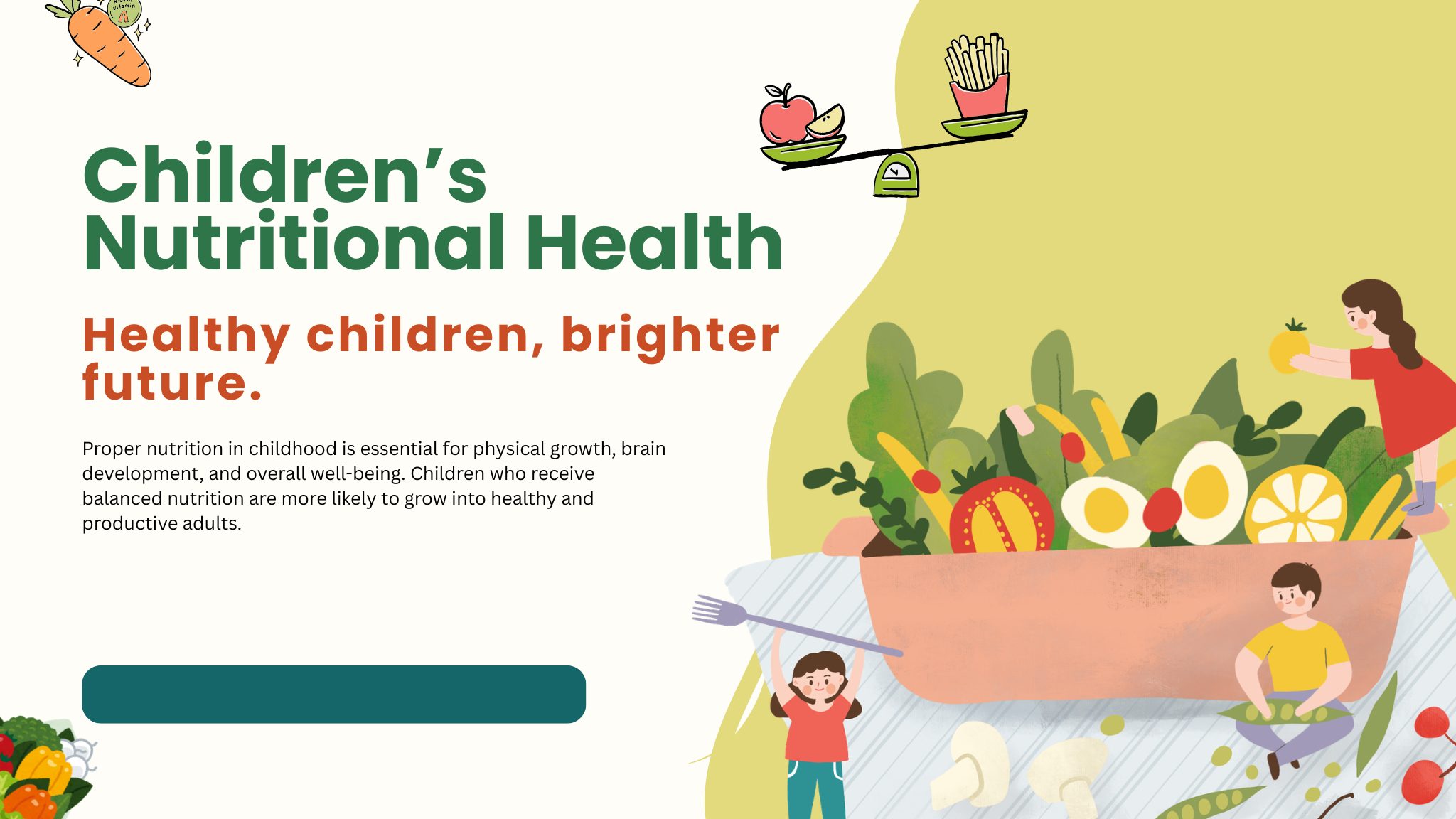
Early childhood is one of the most critical stages of human development. The first few years of life lay the foundation for physical growth, brain development, immunity, and long-term health. Proper nutrition during this period is not just about feeding a child — it is about building a strong body, a sharp mind, and a healthy future.
When children receive balanced and adequate nutrition early in life, they are more likely to grow into healthy, confident, and capable adults.
Why Early Childhood Nutrition Matters
The period from birth to five years is often called the “golden window” of development. During this time, a child’s brain develops rapidly, bones grow stronger, and the immune system becomes more resilient.
Good nutrition supports:
- Healthy physical growth
- Brain and cognitive development
- Strong immunity
- Emotional stability
- Better learning ability
- Long-term disease prevention
Without proper nutrition, children may face growth delays, learning difficulties, and increased risk of illness.
Impact on Brain Development
A child’s brain develops faster in the early years than at any other stage of life. Essential nutrients such as protein, iron, iodine, omega-3 fatty acids, and vitamins play a crucial role in supporting cognitive development.
Proper nutrition helps children:
- Improve memory and concentration
- Develop language and communication skills
- Enhance problem-solving abilities
- Perform better in school
Malnutrition during early years can have long-lasting effects on learning and intellectual capacity.
Strengthening the Immune System
Young children are more vulnerable to infections and illnesses. A balanced diet rich in fruits, vegetables, whole grains, and proteins strengthens the immune system and helps the body fight diseases.
Key nutrients such as Vitamin C, Vitamin A, Zinc, and Iron are essential for immunity and overall health.
Well-nourished children recover faster from illnesses and are less likely to suffer from frequent infections.
Supporting Physical Growth
Proper nutrition ensures healthy weight gain, strong bones, and muscle development. Calcium, Vitamin D, protein, and essential minerals support bone strength and overall physical growth.
Undernutrition can lead to stunted growth, weakness, and developmental delays. On the other hand, balanced nutrition promotes energy, activity, and healthy development.
Preventing Future Health Problems
Early eating habits influence lifelong health. Children who develop healthy food habits are less likely to suffer from obesity, diabetes, heart disease, and other chronic illnesses later in life.
Teaching balanced nutrition early encourages:
- Healthy eating patterns
- Reduced junk food consumption
- Awareness of portion control
- Preference for natural and wholesome foods
Early prevention is more effective than later treatment.
Role of Parents and Caregivers
Parents and caregivers play a vital role in ensuring proper nutrition. Children depend on adults for food choices, meal timing, and eating habits.
Practical steps include:
- Providing balanced meals with a mix of grains, proteins, fruits, and vegetables
- Encouraging regular meal schedules
- Avoiding excessive sugary and processed foods
- Ensuring proper hydration
- Monitoring growth and consulting healthcare professionals when needed
Creating a positive eating environment helps children develop healthy relationships with food.
Importance of Micronutrients
While calories provide energy, micronutrients such as iron, iodine, zinc, calcium, and vitamins are essential for development. Deficiencies can lead to anemia, weak immunity, poor concentration, and delayed growth.
Regular health checkups and awareness programs can help identify and prevent deficiencies early.
Nutrition and Emotional Well-being
Nutrition also influences mood and behavior. Balanced meals help regulate energy levels and improve emotional stability. Children who receive adequate nutrition are often more active, attentive, and emotionally balanced.
A healthy body supports a healthy mind.
Community Responsibility in Child Nutrition
Ensuring early childhood nutrition is not only a family responsibility — it is a societal duty. Community initiatives such as nutrition awareness programs, health camps, and food distribution efforts can support families in need.
When communities prioritize child health, they invest in a stronger and healthier future generation.
Conclusion
Early childhood nutrition is the foundation of lifelong health, intelligence, and emotional well-being. The first few years of life provide a unique opportunity to build strong immunity, healthy growth, and sharp cognitive development.
By prioritizing proper nutrition, we empower children to reach their full potential and contribute positively to society.
A nourished child today becomes a strong and capable leader tomorrow.
Serve Jeeva, Serve the Lord.