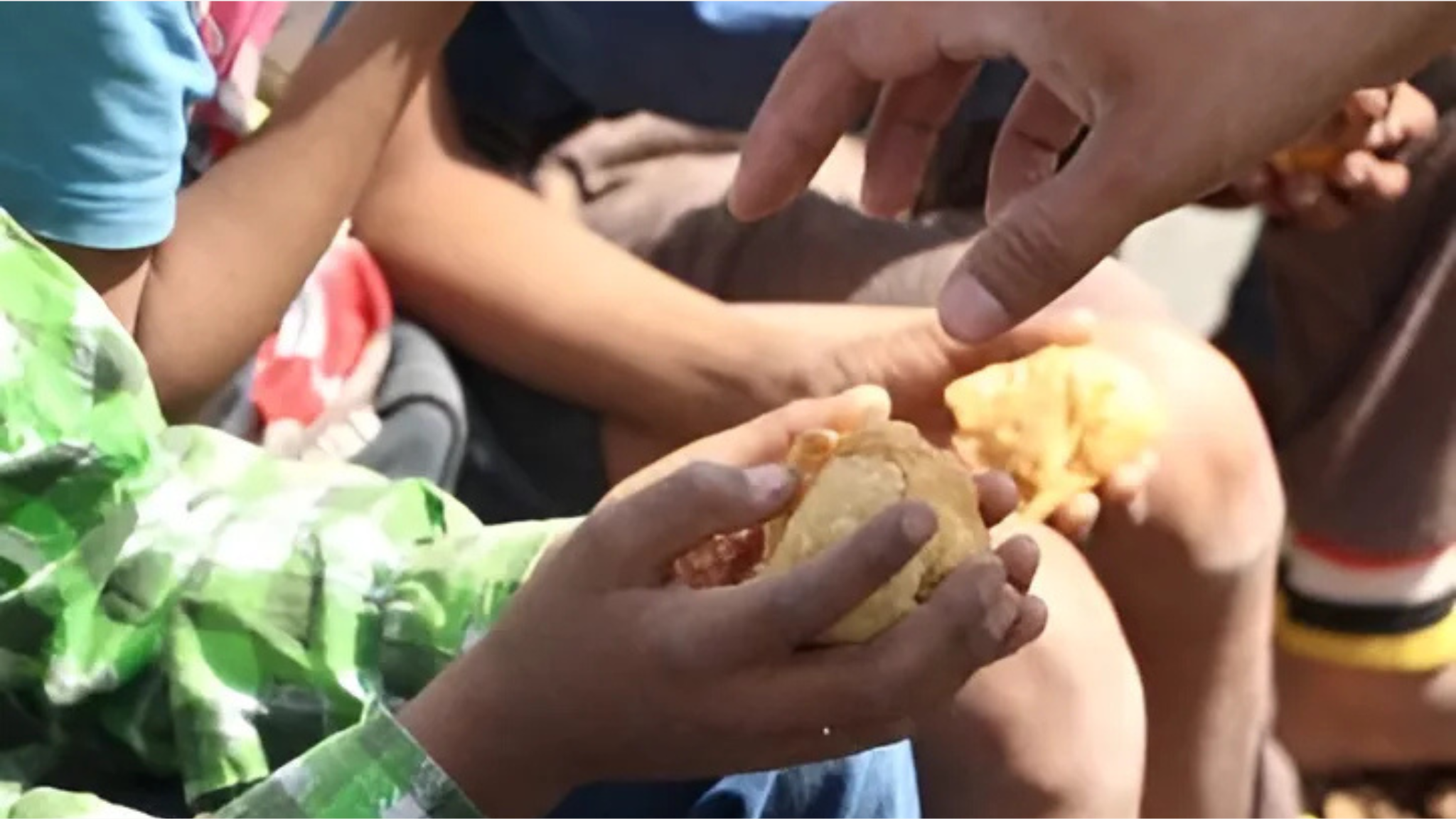
India is a nation of immense diversity, culture, and growth. Yet, alongside progress, a significant challenge still affects millions of people—hunger and food insecurity. Despite improvements in agriculture and economic development, many families continue to struggle to access adequate and nutritious food.
Understanding the ground reality of hunger is the first step toward building a more compassionate and equitable society.
🌾 The Reality Behind Hunger
Hunger in India is not always visible. It is often hidden in the daily struggles of families who skip meals, reduce portion sizes, or rely on low-nutrient foods just to survive.
Some of the common realities include:
- Children going to school without proper meals
- Families unable to afford balanced nutrition
- Rural communities facing seasonal food shortages
- Urban poor struggling with rising food prices
For many households, food security is uncertain, especially during times of unemployment, illness, or natural disasters.
🌿 Causes of Hunger
Hunger is a complex issue influenced by multiple factors:
1. Poverty
Limited income restricts a family’s ability to purchase sufficient and nutritious food.
2. Unemployment and Irregular Wages
Daily wage earners and informal workers often face unstable incomes, making it difficult to maintain consistent meals.
3. Malnutrition and Lack of Awareness
Even when food is available, lack of knowledge about balanced diets can lead to malnutrition, especially among children and mothers.
4. Food Distribution Challenges
In some regions, access to government food programs or proper distribution systems remains limited.
5. Climate and Agricultural Challenges
Droughts, floods, and changing weather patterns affect crop production and food availability.
🌼 Impact on Children and Families
Hunger affects more than just physical health—it impacts education, productivity, and emotional well-being.
Children experiencing hunger may face:
- Stunted growth and poor development
- Difficulty concentrating in school
- Weakened immunity and frequent illness
For families, hunger often leads to stress, reduced work productivity, and long-term health problems.
🌍 The Role of Community and Social Initiatives
Addressing hunger requires collective effort from government programs, non-profit organizations, and community volunteers.
Important initiatives include:
- Community food distribution drives
- Mid-day meal programs in schools
- Nutrition awareness campaigns
- Support for farmers and rural livelihoods
- Food banks and donation programs
When communities come together to share resources and support vulnerable families, meaningful change becomes possible.
🌱 Moving Toward a Hunger-Free Future
Ending hunger is not only about providing food—it is about ensuring sustainable nutrition, awareness, and economic opportunity.
Steps that can help include:
- Reducing food waste
- Supporting local farmers
- Promoting nutrition education
- Encouraging responsible food distribution
Every small effort contributes to building a stronger safety net for those in need.
🌟 Conclusion
Hunger in India is a serious challenge, but it is not impossible to overcome. With greater awareness, compassionate action, and strong community support, we can work toward a future where no child sleeps hungry and every family has access to nutritious food.
A hunger-free society is not just a dream—it is a responsibility we must all share.
If you want, I can also help you with: