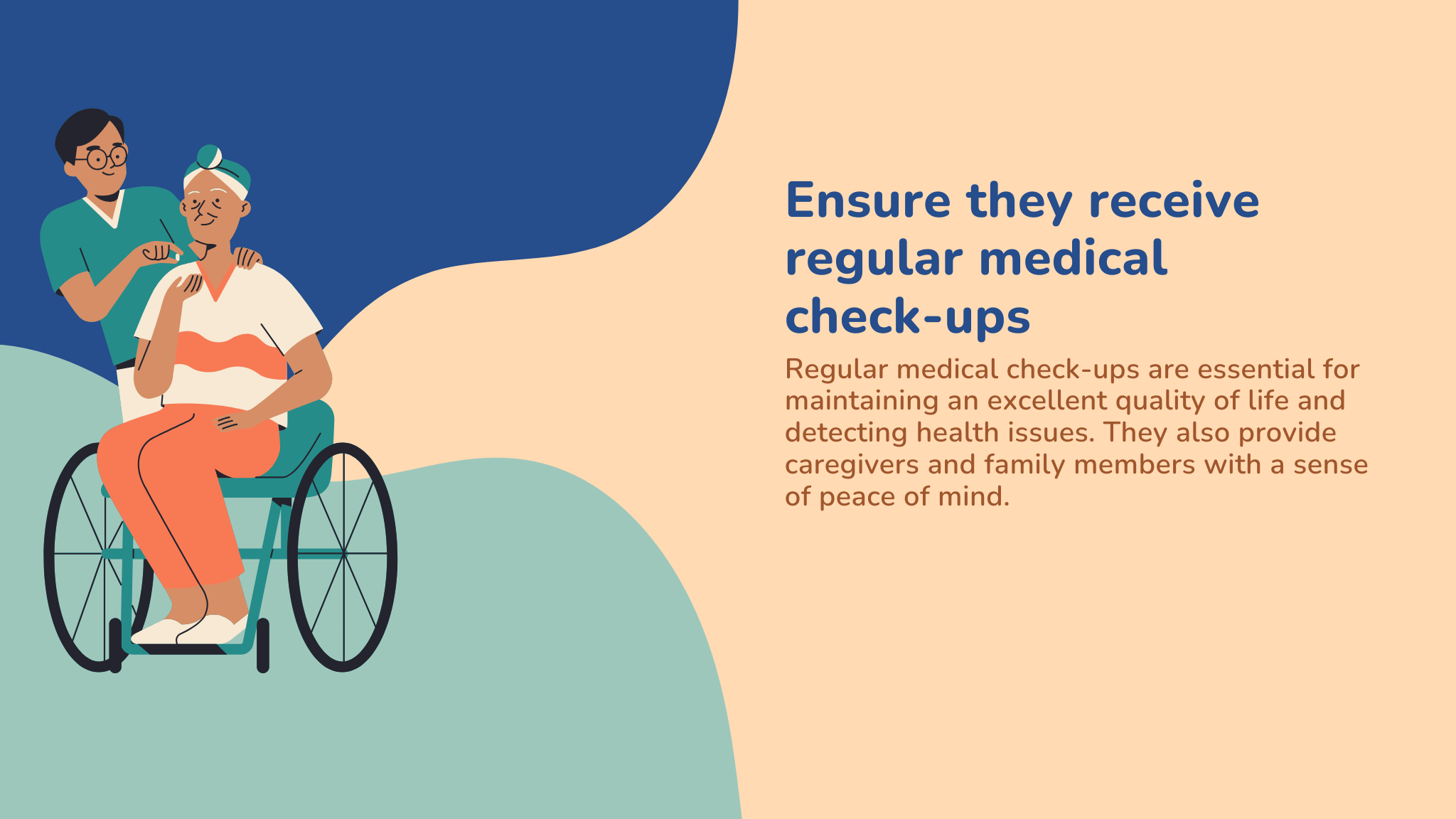
Aging is a natural and beautiful stage of life, filled with wisdom, memories, and life experiences. However, it can also bring emotional challenges such as loneliness, loss, and reduced independence. While physical healthcare is essential for senior citizens, emotional support is equally important for maintaining overall health and well-being.
Emotional care does not require great effort or resources — sometimes, a listening ear, a kind word, or a few moments of companionship can transform a senior’s life.
Understanding Emotional Needs in Old Age
As people grow older, they often experience major life transitions, including retirement, the loss of loved ones, reduced mobility, and changes in social roles. These changes can create feelings of isolation, insecurity, and emotional distress.
Common emotional challenges among the elderly include:
- loneliness and social isolation,
- grief and loss,
- anxiety about health and dependency,
- fear of being a burden,
- reduced sense of purpose.
When these feelings remain unaddressed, they can negatively impact both mental and physical health.
The Connection Between Emotional and Physical Health
Scientific studies have shown that emotional well-being directly affects physical health. Seniors who feel supported and connected tend to have stronger immune systems, lower stress levels, and improved recovery from illness.
Emotional support helps:
- reduce stress hormones,
- improve heart health,
- strengthen immunity,
- enhance sleep quality,
- reduce risk of depression and cognitive decline.
A positive emotional environment promotes healing and longevity.
Reducing Loneliness and Depression
Loneliness is one of the most serious issues affecting senior citizens today. Lack of interaction and social engagement can lead to depression, memory decline, and weakened physical health.
Regular emotional support through conversations, visits, or community engagement helps seniors feel valued and connected. Knowing that someone cares provides comfort and emotional stability.
Enhancing Cognitive Health and Memory
Social interaction and emotional engagement stimulate the brain. Seniors who maintain meaningful conversations and relationships often experience better cognitive functioning and reduced risk of dementia.
Activities that support emotional well-being include:
- sharing stories and memories,
- participating in group activities,
- engaging in spiritual or community gatherings,
- playing games that encourage interaction.
Keeping the mind active supports mental sharpness and emotional vitality.
Strengthening Sense of Purpose and Self-Worth
After retirement or reduced responsibilities, many elders feel they have lost their role in society. Emotional encouragement helps restore a sense of purpose and dignity.
When seniors are included in family decisions, cultural traditions, and community activities, they feel respected and valued. Recognizing their wisdom and experience enhances their self-worth and emotional stability.
Emotional Support Helps Recovery and Healing
Elderly individuals recovering from illness or surgery heal faster when they receive emotional encouragement and companionship. A positive mindset improves resilience and strengthens the body’s healing process.
Simple gestures such as sitting beside them, offering reassurance, and maintaining optimism can significantly improve recovery outcomes.
How Families Can Provide Emotional Support
Family members play a crucial role in nurturing emotional well-being. Small efforts can create a big impact:
- Spend quality time with elders daily.
- Listen patiently to their thoughts and stories.
- Encourage them to share memories and experiences.
- Involve them in family decisions and celebrations.
- Offer reassurance and emotional comfort.
- Help them stay socially connected.
These actions strengthen bonds and create emotional security.
The Role of Community in Elderly Emotional Care
Communities and social organizations can help reduce isolation by creating opportunities for interaction and support.
Community initiatives may include:
- senior citizen support groups,
- wellness and health camps,
- spiritual gatherings,
- recreational activities,
- volunteer companionship programs.
Such initiatives foster belonging and emotional wellness.
Compassion: The Greatest Medicine
Emotional support is not complicated — it begins with compassion. A smile, a respectful greeting, or a moment of attention can brighten an elder’s day.
When society prioritizes emotional care, it ensures that seniors live with dignity, peace, and happiness.
Conclusion
Emotional support plays a vital role in improving elderly health. It reduces loneliness, strengthens mental and physical well-being, enhances recovery, and restores a sense of purpose.
Caring for the emotional needs of senior citizens is not merely an act of kindness — it is a responsibility that reflects our humanity and cultural values.
When we nurture the hearts of our elders, we strengthen the soul of our society.
Serve Jeeva, Serve the Lord.