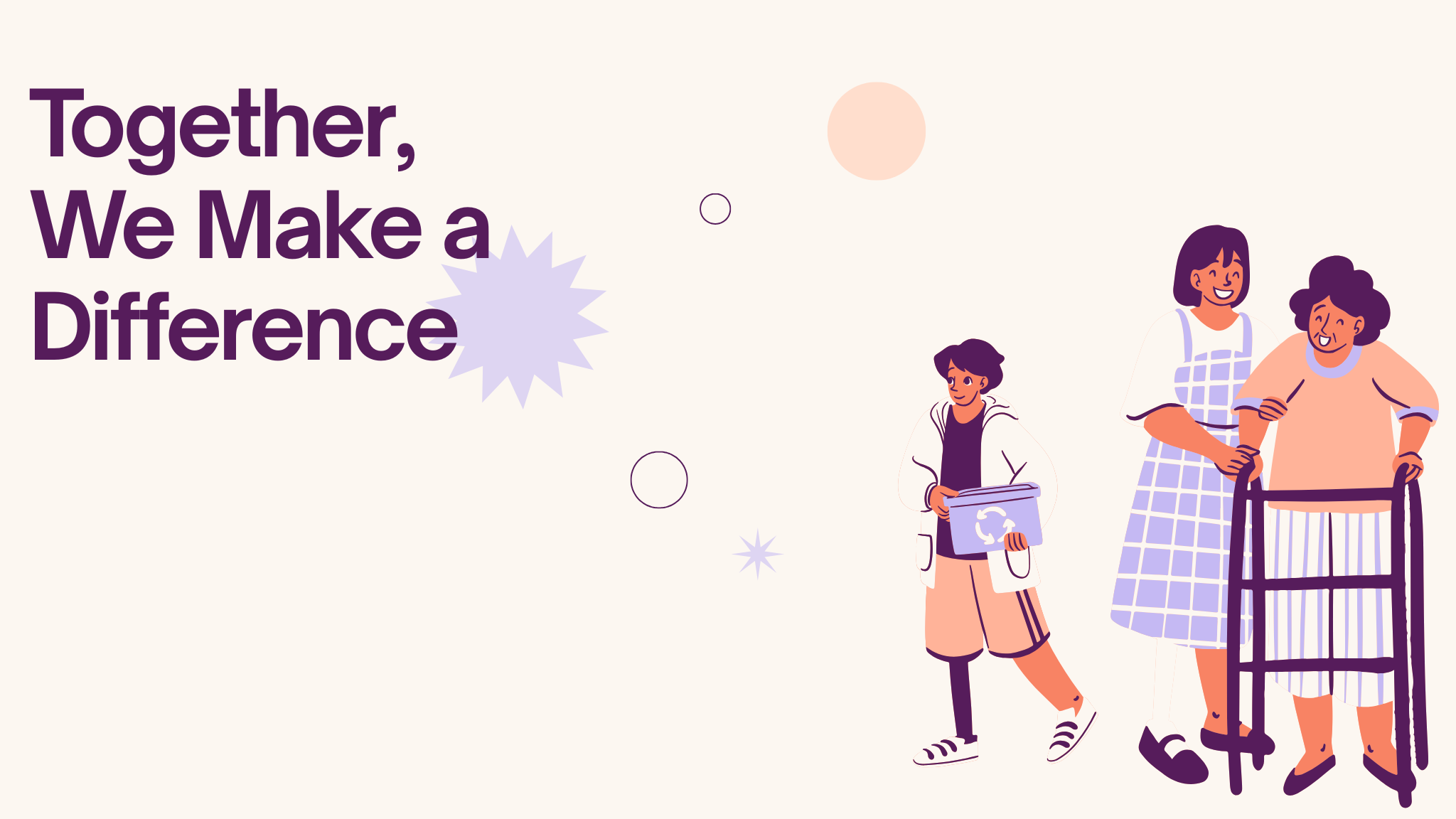
n a fast-paced world driven by competition, deadlines, and personal goals, compassion often appears to be a simple emotion. Yet, it is one of the most powerful forces that can transform societies. Compassion is more than feeling sympathy for others — it is the willingness to understand suffering and take action to reduce it. When compassion becomes a shared value, it builds stronger, healthier, and more resilient communities.
Understanding Compassion in Daily Life
Compassion begins with empathy — the ability to see the world through another person’s eyes. It can be expressed through small acts such as listening to someone in distress, helping an elderly neighbor, feeding a hungry person, or supporting a struggling family. These acts may seem small individually, but collectively they create a culture of care and mutual support.
Strengthening Human Connections
Communities thrive when people feel valued and supported. Compassion strengthens human bonds by creating trust, respect, and emotional security. When individuals know they are not alone in difficult times, they feel safer and more connected to society.
A compassionate neighborhood is one where:
- elders feel respected and cared for,
- children grow up in safe and nurturing environments,
- women feel supported and empowered,
- and vulnerable individuals receive help without judgment.
Such environments foster belonging — a key ingredient of strong communities.
Improving Mental and Emotional Well-Being
Isolation, stress, and emotional struggles are growing concerns in modern society. Compassion helps address these challenges by encouraging openness and support. A caring word, a helping hand, or simply being present for someone can reduce feelings of loneliness and anxiety.
Research consistently shows that both giving and receiving compassion improve mental well-being. People who engage in helping others often experience increased happiness, reduced stress, and a deeper sense of purpose.
Encouraging Collective Responsibility
Compassion shifts the mindset from “me” to “we.” When people begin to care about the well-being of others, they take responsibility for the welfare of their surroundings. This leads to cleaner neighborhoods, safer environments, and support systems for those in need.
Communities built on compassion are more likely to:
- support the elderly and disabled,
- ensure children receive education and nutrition,
- provide aid during crises,
- promote health and wellness awareness,
- and work together during emergencies.
Compassion as a Foundation for Social Harmony
Differences in culture, religion, language, or economic status often divide societies. Compassion bridges these differences by reminding us of our shared humanity. When we recognize that every individual deserves dignity and care, prejudice and discrimination lose their power.
Compassion encourages cooperation instead of conflict, understanding instead of judgment, and unity instead of division.
The Ripple Effect of Kindness
One act of compassion inspires another. When people witness kindness, they are more likely to pass it forward. This ripple effect gradually transforms communities into supportive ecosystems where helping one another becomes the norm rather than the exception.
A compassionate society does not emerge overnight — it grows through consistent acts of kindness performed by ordinary people.
Building a Compassionate Future
Creating strong communities requires collective effort. Each of us has the ability to contribute by practicing compassion in everyday life:
- Check on elderly neighbors.
- Support local welfare initiatives.
- Volunteer time or skills for community service.
- Teach children the value of kindness and empathy.
- Offer help without expecting recognition.
When compassion becomes a shared responsibility, communities flourish.
Conclusion
Compassion is not weakness; it is strength in its purest form. It unites people, reduces suffering, and creates environments where individuals can live with dignity and hope. Strong communities are not built through infrastructure alone — they are built through caring hearts and helping hands.
By choosing compassion, we choose a future rooted in unity, dignity, and collective well-being.
Serve Jeeva, Serve the Lord.